Ellis Richter · 1 November 2026
Shifts in Local Economies Sparked by Pop-Up Markets at Wooded Festival Sites
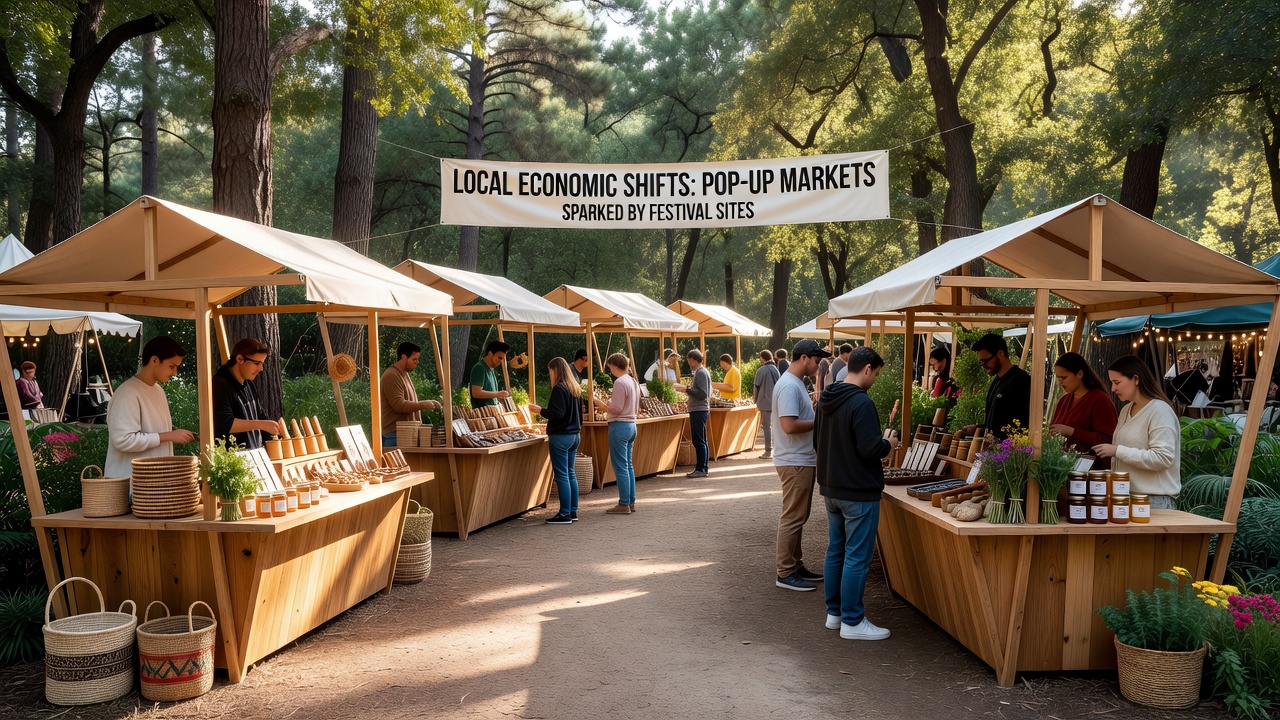
Pop-up markets at wooded festival sites have generated measurable changes in nearby communities, particularly where seasonal events draw steady crowds to rural or semi-rural areas. These temporary setups, often featuring local artisans, food producers, and craft vendors, create short-term revenue spikes that extend beyond the event grounds themselves. Data from multiple regions shows increases in supplier purchases, temporary staffing needs, and follow-on spending at gas stations, lodging, and equipment rental businesses during peak festival months.
Revenue Patterns Across Vendor Categories
Records collected at recurring canopy gatherings indicate that food vendors and handmade goods sellers experience the strongest direct gains, while service-based stalls such as repair workshops or guided activity providers see steadier but smaller returns. In one documented case from the Pacific Northwest, vendors reported average daily sales rising by factors of three to five compared with their typical weekend market figures, according to aggregated figures released by regional small-business networks. These earnings often circulate back into local supply chains when operators restock ingredients or materials from nearby farms and workshops rather than distant wholesalers.
Infrastructure and Employment Effects
Event organizers frequently contract with local trucking firms, portable sanitation providers, and electrical crews, which spreads spending across several sectors at once. Employment data collected by workforce centers in parts of the American Midwest and Canadian provinces show short-term hiring surges in hospitality and logistics roles during festival windows, with many positions filled by residents who otherwise face seasonal unemployment. The pattern repeats in European sites where similar woodland events occur, though the scale varies with the size of the host community and the number of consecutive operating days.
Supply Chain Adjustments Observed in Host Regions
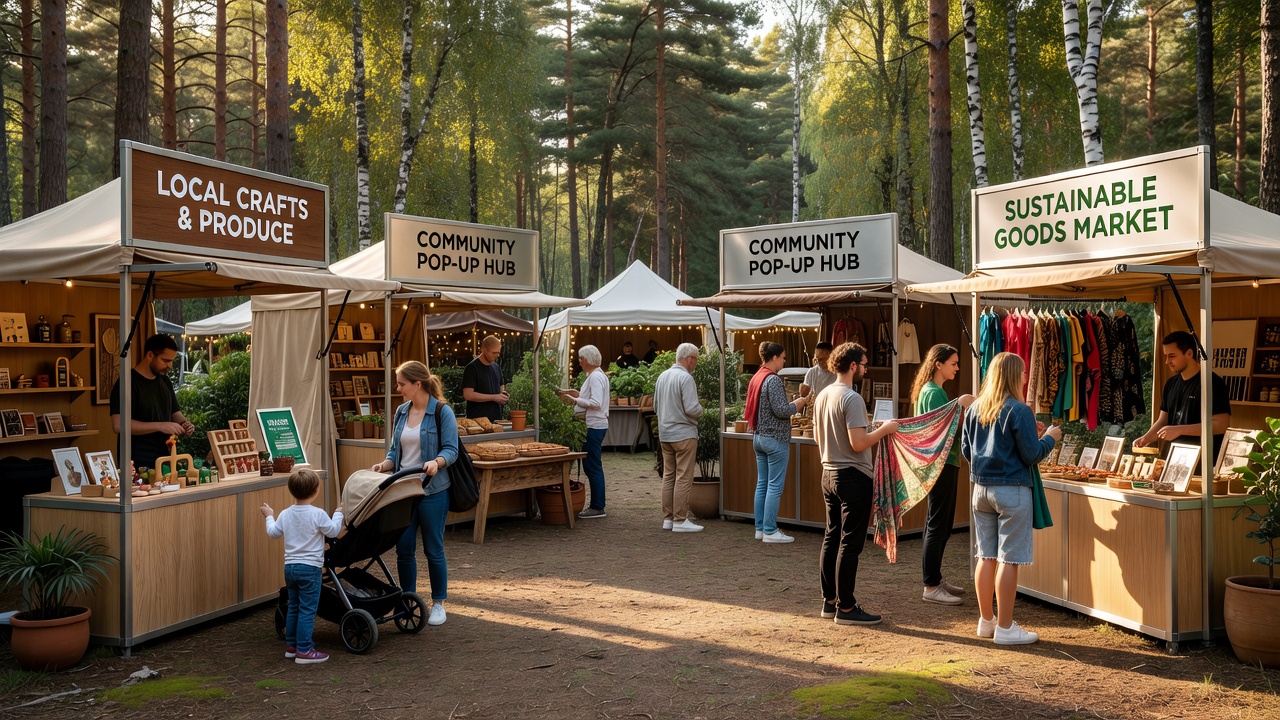
Local growers and processors adjust production schedules when advance vendor registrations signal higher demand for fresh produce, baked goods, or specialty items. Reports compiled by agricultural extension offices note that some farms expand plantings of high-turnover crops in anticipation of festival weeks, while others coordinate shared transportation to reduce per-unit delivery costs. These adjustments create ripple effects that persist for several weeks after the event closes, as excess inventory sometimes moves into regular retail channels or community-supported agriculture boxes.
November 2026 Planning and Forward Indicators
Advance registrations for November 2026 events already show expanded vendor footprints at several established wooded sites, prompting municipal planners to coordinate traffic management and temporary utility hookups earlier than in prior cycles. Figures released by tourism boards in Australia and parts of the European Union indicate that communities tracking these bookings have begun modeling budget impacts for road maintenance and emergency services based on projected attendance. Such preparation reduces last-minute expenditures and allows local governments to allocate shared resources more precisely.
Comparative Data from Varied Geographic Zones
Studies conducted through university research programs in Canada and Scandinavia reveal that the economic multiplier effect tends to be higher when vendors source at least 60 percent of inputs within a 50-kilometer radius. In contrast, sites that rely more heavily on imported stock show narrower benefits that dissipate quickly once the festival ends. Observers tracking these differences note that repeat events in the same location gradually strengthen local supplier networks, as vendors learn which producers can meet volume and timing requirements without quality loss.
Conclusion
Pop-up markets at wooded festival sites continue to alter spending flows in measurable ways, with effects concentrated in procurement, staffing, and follow-on retail activity. Continued collection of vendor sales data and supplier invoices will clarify how these patterns evolve as events scale or relocate in coming seasons.