Ellis Richter · 20 September 2026
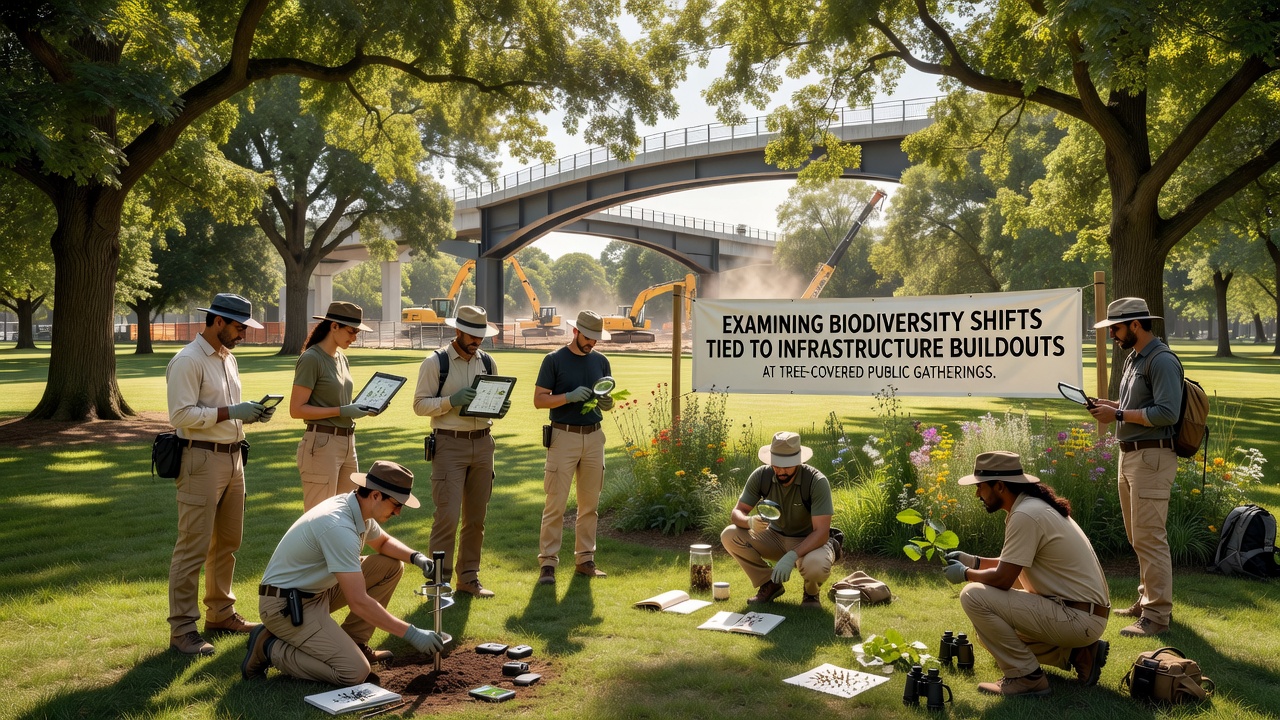
Examining Biodiversity Shifts Tied to Infrastructure Buildouts at Tree-Covered Public Gatherings
Public gatherings in tree-covered areas often require infrastructure such as access roads, temporary structures, utility connections, and sanitation facilities, and these additions alter the surrounding ecosystems in measurable ways. Data from environmental monitoring programs indicate that species diversity can drop in zones where soil compaction and vegetation removal occur while some edge-adapted species increase their presence because of new light and resource availability.
Common Infrastructure Elements and Their Placement
Event organizers typically install gravel paths, electrical cabling, water lines, and staging platforms to support large crowds, and these features fragment continuous forest cover into smaller patches. Studies conducted across multiple sites show that canopy gaps created for safety lighting and drainage systems lead to changes in understory plant composition over successive seasons, with shade-tolerant species declining as light penetration rises.
Documented Changes in Flora and Fauna
Researchers tracking bird populations at repeated gathering locations report reduced nesting success for canopy-dependent species during years with extensive buildouts, whereas ground-foraging birds sometimes benefit from increased open ground near pathways. Insect surveys reveal shifts in pollinator communities when flowering plants are displaced by compacted soil or temporary fencing, and these patterns appear consistent across events held in temperate woodland settings.
Small mammal activity decreases in areas with high foot traffic and vehicle movement because of noise and vibration, yet burrowing species may recolonize once structures are removed if soil recovery occurs before the next event cycle. Amphibian populations show particular sensitivity to altered drainage patterns introduced by utility trenches, since these modifications can dry out breeding pools or redirect runoff into previously stable habitats.
Monitoring Approaches Used by Research Teams
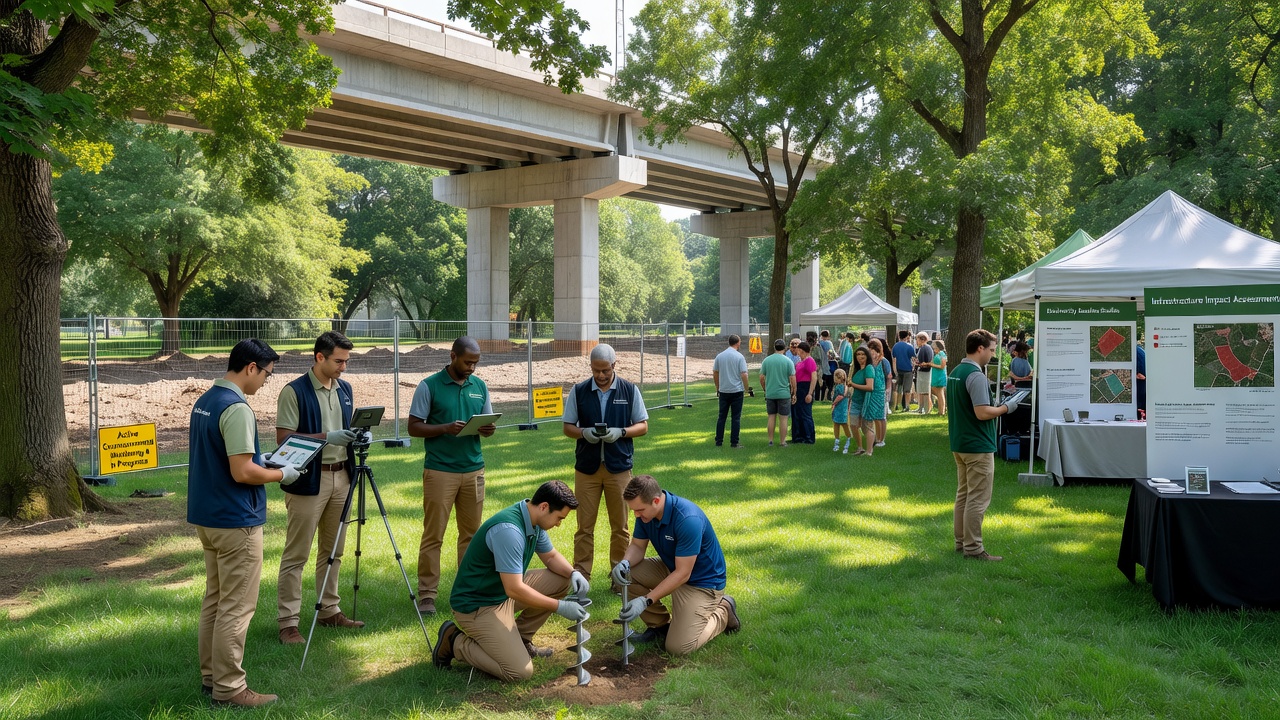
Long-term observation relies on camera traps, acoustic sensors, and vegetation transects placed before and after buildout phases, and these tools generate comparable datasets that quantify species turnover rates. Satellite imagery combined with ground-truthing allows analysts to measure canopy loss and recovery timelines, revealing that full restoration of original plant diversity often requires several growing seasons even after temporary structures are dismantled.
Soil sampling programs document increased compaction and nutrient changes near high-use zones, while water quality tests track sediment runoff into nearby streams during rainfall events that coincide with active gathering periods. These combined methods produce evidence that guides permitting decisions for future events in similar forested locations.
Geographic Variations in Observed Impacts
Assessments performed in North American national forests demonstrate faster recovery of herbaceous layers when events limit vehicle access to designated corridors, whereas comparable gatherings in European protected woodlands show slower regrowth because of denser understory competition following disturbance. Australian case studies highlight the role of seasonal timing, since buildouts completed before dry periods reduce erosion risks that otherwise affect root systems of established trees.
Canadian research teams have recorded shifts in fungal communities around utility installations, noting that mycorrhizal associations important for tree health can take multiple years to reestablish after soil disturbance. These regional differences underscore the need for site-specific baseline data before infrastructure planning begins.
Regulatory Context and Upcoming Assessments
Environmental impact requirements in several jurisdictions now call for pre- and post-event biodiversity inventories, and agencies such as the U.S. Environmental Protection Agency provide frameworks for evaluating cumulative effects across multiple gathering seasons. European Union directives on habitat protection similarly require documentation of infrastructure effects on protected species, prompting organizers to adjust layout designs accordingly.
Assessments scheduled for September 2026 will incorporate data from events held during the preceding years, allowing comparison of recovery rates under varying mitigation protocols. Figures released by academic consortia indicate that events incorporating elevated walkways instead of ground-level paths experience lower rates of understory damage, supporting continued refinement of best practices.
Conclusion
Evidence accumulated from repeated monitoring at tree-covered gathering sites demonstrates clear links between infrastructure placement and measurable biodiversity adjustments, with recovery dependent on removal timelines, soil remediation, and avoidance of sensitive zones. Continued collection of standardized data across regions will refine understanding of these dynamics and inform planning that balances public use with ecological maintenance.